Tree Removal in Southgate
If you need tree removal in Southgate, you are likely dealing with more than just an overgrown garden tree. It could be a tree that has become unsafe after storm damage, one that is blocking light to your home, a root system affecting paving, or a specimen that simply no longer suits the space. In a busy area like Southgate, where properties range from older family homes and larger gardens to compact residential plots, flats with communal grounds, and commercial premises with car parks or frontage planting, tree work needs to be handled carefully, professionally, and with the local setting in mind.
Choosing the right team matters because removing a tree is rarely a straightforward task. Access can be tight, parking may be limited, overhead cables or nearby structures may complicate the job, and large sections often need to be dismantled safely rather than felled in one piece. A local service that understands Southgate and the surrounding North London area can plan the work properly, protect nearby property, and leave your space tidy and usable once the tree has gone.
Whether you are a homeowner, landlord, managing agent, business owner, or someone responsible for shared grounds, tree removal Southgate services can help you deal with dangerous, unwanted, or problematic trees in a practical way. The aim is not only to remove the tree, but to make the entire process easier for you from the first enquiry to the final clearance of branches, logs, and debris.
Why tree removal may be the right choice
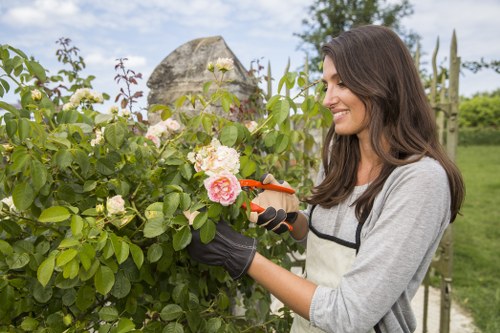
There are many reasons people contact a local arborist for tree removal in Southgate. Sometimes the tree is visibly unhealthy, with decay, fungus, dead limbs, or poor leaf growth. In other cases, the problem is structural: a leaning trunk, split stem, damaged roots, or a canopy that has become too heavy for the space available. Some trees are simply positioned too close to a house, outbuilding, boundary wall, driveway, or underground services.
In Southgate, the mix of mature streets, established gardens, and mixed-use premises means trees can cause practical issues even when they are not immediately hazardous. A tree might be lifting patio slabs, reducing daylight to ground-floor rooms, dropping excessive debris into a garden, or interfering with planned landscaping or building work. In a commercial setting, it may be causing access problems for deliveries, customers, or staff.
Sometimes the decision is about future risk rather than an urgent emergency. A tree that is currently stable may still be unsuitable if it is too large for the plot, has outgrown its position, or is affecting a neighbour’s enjoyment of their property. In such situations, safe tree removal can be the most sensible long-term solution, especially when followed by stump grinding or replanting with a more appropriate species.
Common reasons customers ask for tree removal
- Dead, dying, or diseased trees that may fail unexpectedly
- Storm-damaged trees with split branches or unstable trunks
- Overcrowded gardens where one tree is dominating the space
- Trees causing shading, dampness, or restricted light
- Roots affecting paving, drains, walls, or hard landscaping
- Trees interfering with roofs, gutters, fencing, or neighbouring structures
- Development, renovation, or garden redesign projects
- Commercial properties needing better access, visibility, or site safety
What tree removal in Southgate involves

The exact approach depends on the size, species, condition, and location of the tree. For smaller trees with good access, removal may be relatively simple. For larger or more awkward trees, the work often involves sectional dismantling using climbing equipment, lowering ropes, and controlled cutting to protect lawns, sheds, fences, and nearby buildings.
A professional team will normally start by assessing the site, looking at access points, ground conditions, possible hazards, and how the tree sits in relation to the surrounding area. This is especially important in Southgate where homes may have narrow side passages, shared driveways, limited parking, or mature planting close to boundary lines. Good planning is essential to keep disruption low and safety high.
Once the removal plan is in place, the team will usually isolate the work area, remove branches and sections carefully, and manage waste as they go. Depending on what you want, the service may also include stump grinding so the remaining stump is reduced below ground level. That can help with replanting, paving, turfing, or simply making the area easier to use.
Typical stages of the job
- Initial site assessment and discussion of your needs
- Review of access, surrounding hazards, and equipment requirements
- Safe dismantling or felling of the tree, depending on conditions
- Section removal, cutting, and controlled lowering where needed
- Branch, trunk, and brash clearance
- Optional stump grinding or stump treatment
- Final tidy-up so the area is left as clean and usable as possible
For many customers, the key benefit is peace of mind. You do not need to worry about handling heavy timber, hiring specialist equipment, or working around difficult conditions. A local tree removal company can take care of the practical side while keeping the process efficient and manageable.
Why a local Southgate team is useful
Using a local team for tree removal Southgate brings several practical advantages. Local crews tend to understand the types of properties in the area, how to work around residential streets, and what to expect when access is tight. They are also better placed to plan around local traffic, parking constraints, and the realities of working in a built-up suburban environment.
Southgate and the nearby parts of North London include a variety of property styles, from detached and semi-detached houses with mature gardens to terraced streets, apartment developments, and business premises. Each setting presents different challenges. A tree close to a shared boundary needs a careful approach. A tree in a front garden with limited access may require smaller equipment or a more detailed dismantling plan. A commercial site may need the work timed around operating hours to minimise disruption.
Local knowledge also helps when a job involves neighbouring properties. Tree removal can be sensitive when branches extend over fences, roots affect adjoining land, or access must be arranged through a side gate or shared area. A team that regularly works in the area is more likely to handle these situations professionally and keep communication clear.
Local challenges often found in Southgate
Some of the most common issues include narrow access points, parked cars, limited space for chipper or trailer placement, and trees located near sheds, garages, and garden rooms. In older streets, mature trees may have large root systems or wide crowns that require a controlled dismantling process rather than a simple cut-down. These details matter because the wrong approach can lead to avoidable damage or unnecessary disruption.
For many customers, hiring a nearby service is also about responsiveness. If a tree becomes dangerous after windy weather or a branch is hanging over a driveway, you want help from a team that can understand the urgency and respond with practical advice. A local company is often better placed to offer a prompt inspection and arrange work in a reasonable timeframe.
What is included in a professional tree removal service
When you book tree removal, it is useful to know what is typically included and what can be arranged as an extra. This helps you compare options and avoid surprises. A good service should be clear from the outset about the scope of work, the access needed, and how waste will be handled.
Most customers want more than just the tree taken down. They want the site left tidy, the waste removed, and the area made safe. In Southgate, where properties often have well-used gardens, driveways, or communal spaces, that finish matters. You may be planning to replant, lay new turf, improve access, or simply reclaim the space for everyday use.
Professional tree removal usually includes:
- Initial assessment of the tree and site conditions
- Advice on the safest method of removal
- Sectional dismantling or felling as appropriate
- Branch and trunk cutting down to manageable sizes
- Removal of arisings and general green waste
- Basic site tidying after the work is complete
- Optional stump grinding or stump removal solutions
- Optional advice about replacement planting or follow-up tree work
Depending on the situation, additional services may be useful too. These can include crown reduction before full removal, vegetation clearance around the base, or pruning adjacent trees so the space remains balanced and easier to manage. If a tree is protected by a Tree Preservation Order or is in a conservation area, the job may also require careful checks and the right permissions before work begins.
When stump removal is worth considering
Leaving a stump behind may be acceptable in some cases, but many customers prefer it to be dealt with at the same time. Stumps can get in the way of mowing, replanting, paving, or landscaping. They can also produce new shoots if left untreated. Stump grinding is often the most practical choice where you want a neater finish and more flexibility for the space afterwards.
How the service works from enquiry to completion
People often want to know what happens once they make contact. The process should be straightforward and reassuring. A well-run local service will focus on understanding your concerns, checking the site, and recommending the safest and most sensible way forward. The more information you can provide early on, the easier it is to plan accurately.
In many cases, an initial conversation is enough to arrange an inspection or discuss your options. If the tree is clearly large, close to structures, or in a difficult position, a site visit may be the best way to assess the work properly. This is particularly useful for tree removal in Southgate where access routes, parking, and surrounding properties can all affect the method and timing.
The process often looks like this:
- You explain the issue and what you want removed
- The site and tree are reviewed, either from photos or in person
- You receive a clear explanation of the likely method and scope
- A suitable time is arranged for the work
- The team arrives with the right equipment and carries out the removal safely
- Waste is cleared and the site is left tidy
- Any agreed stump work or follow-up tasks are completed
This simple, step-by-step approach is especially helpful for busy households and commercial premises. It keeps disruption low, makes expectations clear, and gives you confidence that the work will be handled properly. If you are trying to coordinate tenants, neighbours, staff, or access arrangements, it is worth discussing those details early.
Contact us today to request a free quote or to arrange an assessment for your property in Southgate.
Preparing for tree removal at your property
There are a few simple things you can do to help the work run smoothly. Preparation is especially helpful in residential streets or shared-access properties where access and parking are limited. A small amount of planning can save time on the day and reduce the chance of delays.
If possible, move vehicles away from the work area, clear garden furniture or fragile items from beneath the tree, and let neighbours know if any shared access may be affected. If the tree is close to your house, shed, greenhouse, or fence, it helps to point out any vulnerable spots before the work starts. You should also mention underground services, drainage runs, or any known issues with the ground.
Useful preparation checklist:
- Remove cars from driveways and nearby parking spaces where possible
- Move pots, furniture, bikes, and ornaments away from the work area
- Keep pets and children clear of the site on the day
- Provide access instructions for side gates, communal areas, or locked entries
- Highlight any water features, cables, sheds, or fragile structures nearby
- Discuss neighbour boundaries if branches or roots are close to adjoining land
- Confirm whether stump grinding is required after removal
If the tree has recently been affected by wind, decay, or sudden leaning, avoid trying to cut or pull anything yourself. A damaged tree can behave unpredictably. It is much safer to let a trained team assess and handle the situation with proper equipment and control.
What happens after the tree is removed?
Once the tree is down and the waste is cleared, you can decide what you want to do with the space. Some customers want the stump ground out so they can replant or landscape immediately. Others prefer to leave the ground clear for lawn restoration or paving later. If the site is large, you may also want advice on replacing the tree with a more suitable species or spacing future planting more effectively.
Pricing factors for tree removal in Southgate
Tree removal costs can vary depending on several practical factors. It is better to think in terms of job complexity rather than simply tree size. A small tree in an open garden may be straightforward, while a medium-sized tree overhanging a conservatory or set within a tight courtyard can be much more involved.
The main factors affecting price usually include the height and spread of the tree, its condition, access for equipment, the distance to buildings and boundaries, the need for sectional dismantling, the amount of waste to be removed, and whether stump grinding is included. If the site is especially awkward, extra time and equipment may be needed.
Factors that commonly influence the quote:
- Tree height, trunk diameter, and overall canopy size
- Species and wood density
- Condition of the tree, including decay or storm damage
- Ease of access for tools, vehicles, and waste removal
- Proximity to houses, garages, fences, and utilities
- Need for climbing, rigging, or traffic management
- Whether stump grinding or additional clearance is included
- Any permission or planning considerations that affect timing
A reliable local company should be willing to explain these points clearly so you can understand what is involved before committing. That is especially important for larger or more sensitive jobs in Southgate, where the work may need extra care because of close neighbours or limited access.
Request a free quote if you want a clear understanding of your options and the likely scope of work.
Residential tree removal for Southgate homes
Homeowners in Southgate often need tree removal for reasons that are practical, aesthetic, or safety-related. A tree may be blocking a much-needed view of the garden, making a patio too dark, or creating ongoing mess with leaves, seeds, sap, or fruit. In some cases, roots may have begun to affect pathways or drainage, and the simplest solution is removal before the problem worsens.
For family homes, the main priorities are usually safety, tidy workmanship, and minimal disruption. A good team understands that people want their property respected and their garden left in a usable condition. They also understand that working around fences, sheds, play areas, and neighbouring homes requires care. This is where experience with local residential tree removal really matters.
Many Southgate gardens also have mature planting close to houses or along boundaries. That can make access awkward, but it does not mean the job cannot be done properly. With the right equipment and method, trees can often be dismantled in sections without damaging nearby features. The key is choosing a team that takes the time to assess the work and not just rush in with a one-size-fits-all approach.
Residential jobs may include
- Front garden tree removal
- Rear garden tree dismantling
- Removal of storm-damaged or leaning trees
- Tree work near extensions, conservatories, and rooflines
- Clearing unwanted self-seeded trees
- Stump grinding for landscaping or replanting
Commercial tree removal for businesses and managed sites
Tree removal in Southgate is not only for homes. Commercial properties, offices, shops, schools, care facilities, housing developments, and managed grounds all have different responsibilities when it comes to tree safety and site presentation. A tree that is too close to an entrance, causing leaf fall in a customer area, or obstructing signage may need to be removed to keep the site practical and welcoming.
Commercial work often involves more planning because access times may need to fit around operations, deliveries, tenants, or visitors. Health and safety matters are especially important on these sites, as does clear communication about the work schedule and the areas being affected. A local team with experience in commercial tree removal can help keep everything organised and low-risk.
For landlords and managing agents, there may also be a need to balance cost, safety, and tenant expectations. Removing a tree may be part of a wider maintenance plan, especially if there are repeated issues with leaf fall, root damage, shading, or blocked access routes. In these situations, good advice is valuable because it helps you choose between pruning, reduction, or full removal.
Commercial customers often ask for:
- Work scheduled to reduce disruption
- Careful management of pedestrian and vehicle access
- Clear waste removal and site clearance
- Removal of trees affecting visibility or entrances
- Advice for ongoing grounds maintenance
Areas covered around Southgate
Customers looking for tree removal in Southgate often need a team that can also cover nearby areas without delay. That can be useful if you have properties or sites across the surrounding neighbourhoods and want one reliable point of contact for tree care work. It is also helpful when a tree issue affects a boundary close to another local area or when access is easier from a neighbouring street.
Local coverage may include nearby parts of North London and surrounding residential districts such as Winchmore Hill, Palmers Green, Bounds Green, Arnos Grove, Edmonton, Oakwood, Enfield, and other adjacent neighbourhoods depending on the job. Exact coverage can vary, but the benefit of choosing a local team is that they can often work efficiently across multiple nearby locations.
If you are unsure whether your property is within the service area, it is worth asking when you enquire. That is especially true for larger jobs, multi-property sites, or commercial premises that may require an inspection before the removal can be scheduled.
Frequently asked questions
Here are some of the questions customers commonly ask before booking tree removal in Southgate. If your concern is not covered here, a local assessment can usually provide a clear answer based on your specific tree and property.
Do I need permission to remove a tree?
Sometimes, yes. Certain trees may be protected by a Tree Preservation Order, and some properties may fall within areas where different rules apply. If you are unsure, it is best to check before work begins. A professional tree service should flag this early if it may affect your job.
Can you remove a tree if access is difficult?
Often, yes. Difficult access is common in Southgate, especially with side passages, shared entrances, and tight rear gardens. The method may need to change depending on the site, but many trees can still be removed safely with sectional dismantling and the right equipment.
Will my garden be left tidy?
A professional service should aim to clear the waste and leave the site in good order. The exact finish can depend on the condition of the ground and the scope of the work, but tidy clearance is a standard expectation for most customers.
Can you remove just part of the tree instead?
In some cases, yes. If full removal is not necessary, pruning, crown reduction, or deadwood removal may be a better option. That said, if the tree is unsafe, diseased, or simply unsuitable for the space, full removal may still be the most practical solution.
What if the tree is close to my neighbour’s property?
That is very common and it needs careful handling. Boundary-related tree work should be discussed clearly so everyone understands what is being removed and how access will be managed. If branches or roots extend across a boundary, the work may need extra care and coordination.
Do you also remove the stump?
Stump grinding is often available as an additional service. Many customers choose it because it makes the area easier to reuse. Whether it is necessary depends on how you plan to use the space afterwards.
Choose a local service that understands the area
When you are arranging tree removal in Southgate, the best choice is usually a company that understands both the practical side of arboricultural work and the realities of local properties. You want someone who can inspect the tree properly, explain the safest approach, and complete the job with minimal disruption to your home or business.
What customers value most is reliability: clear communication, sensible planning, safe working methods, and a tidy finish. Whether the job is urgent because a tree has become unstable, or planned because you want to reclaim space in the garden, the right team will make the process feel manageable from start to finish.
If you are ready to deal with an unsafe, unwanted, or troublesome tree, now is a good time to take the next step. Book your service now or contact us today to request a free quote for tree removal in Southgate. A local assessment can help you understand the best option for your property and move the work forward without unnecessary stress.
Ready to get started?
Tree removal should be handled carefully, especially in a place like Southgate where properties, neighbours, and access routes all need to be considered. By choosing a local service that understands the area, you can deal with the problem efficiently and confidently, whether it is a single garden tree or a larger commercial job.
Take the next step
Request a free quote today and arrange professional tree removal with a team that works around your property, your schedule, and your needs.